




Entertainment
How Visa Issues Are Threatening Artists’ Careers — And the Music Companies That Work With Them

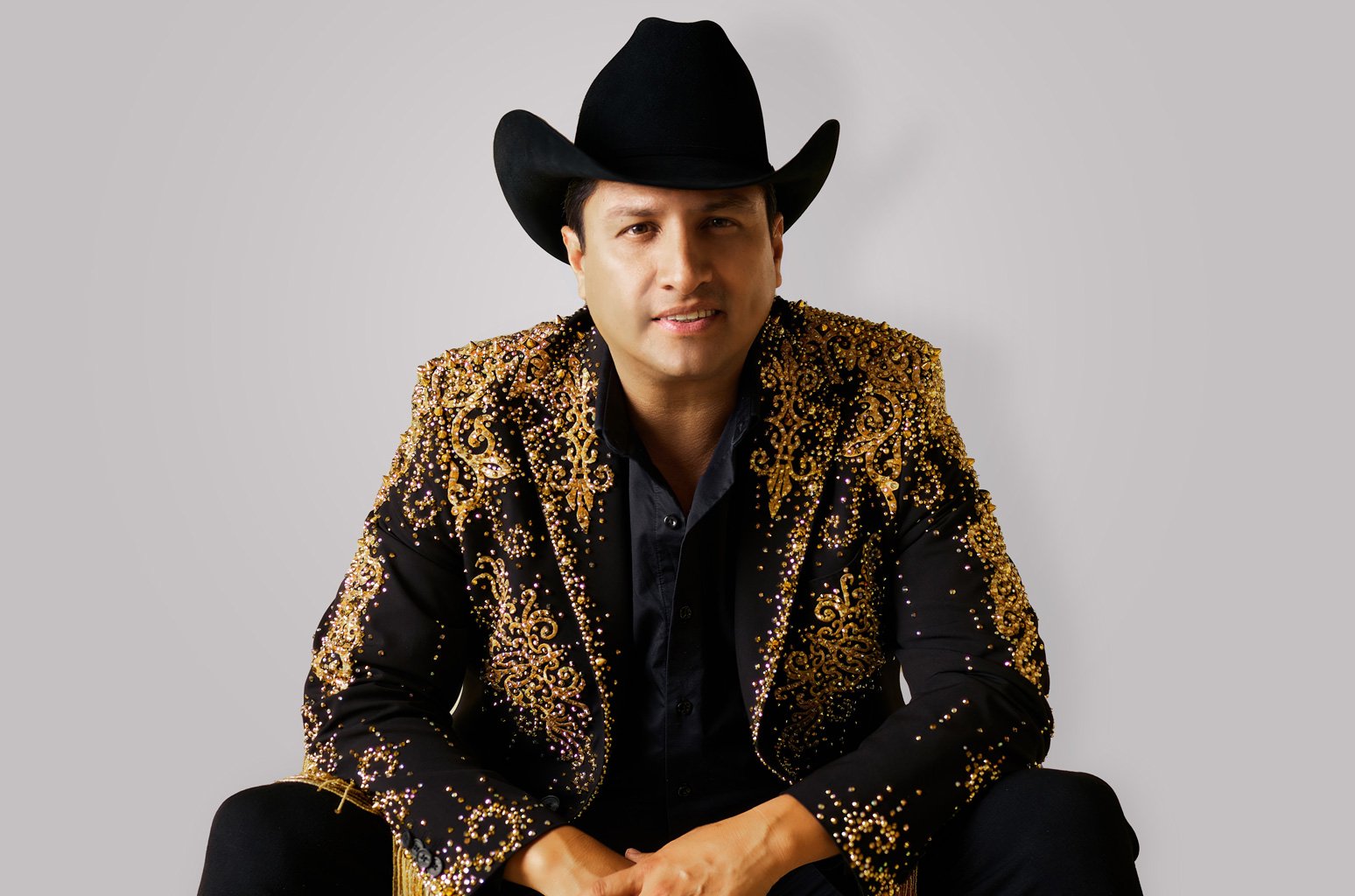
Just a day before his sold-out show at the AT&T Stadium in Texas, regional Mexican star Julión Álvarez posted an “urgent” announcement on his social media, informing the 50,000 fans who purchased a ticket to the May 24-dated show that it was cancelled.
The reason: Álvarez’s work visa had been revoked and the artist could no longer legally enter the United States. The last-minute cancellation not only led to a total loss of over $2 million that went into the production of the event, but it also derailed an entire promotional plan that had successfully launched a month before with three sold-out dates at SoFi Stadium in L.A., marking the long-awaited return of the norteño artist. The “Box Office King,” who hadn’t performed in the U.S. since 2017, was once again sidelined by visa issues. To this day, his highly anticipated 4218 Tour USA 2025 remains in limbo.
Over the past few months, an increasing number of acts — from Mexico, Cuba and other Latin American countries — have publicly or privately dealt with visa hurdles that have led to tour or show cancellations in the U.S. For some, their O-1 or P-1B visas, generally reserved for artists and musicians, have been suddenly revoked. Others have found their applications under stricter vetting by multiple U.S. government agencies who, under the Trump administration, have only made an already complex process even more complicated.
The impact a denied or revoked visa can have on an artist varies case by case, taking into consideration where a particular artist is in their career. But either way, the recent cases have shaken up the Latin music industry. “Touring the U.S. is an important part of a release plan, whether it’s a bar with 600 capacity or an arena,” says Tomas Cookman, founder of Nacional Records and the LAMC, and partner at Magnus Talent Agency. “Many musicians feel that touring here is an important part of their process and trajectory as a global artist. It’s difficult to be at a certain level and not have toured the U.S., especially as a Latin artist who can visit so many Latino-populated hubs within the country that historically has always supported tons of live shows.”
Nonimmigrant visas are not an indefinite type of visa; they offer a temporary stay in the United States for a specific purpose, as opposed to, for example, a green card or a permanent resident card that grants the holder the status of a lawful permanent resident. While visa revocations are not common, they can happen to anyone, at any time, holding a nonimmigrant visa and can occur for multiple reasons, including criminal activity, security concerns or violation of visa terms, to name a few factors.
The State Department’s Bureau of Consular Affairs generally does not publish statistics on revocations. But since Trump took office in January, the State Department has revoked over 6,000 student visas, to name one classification, according to news reports. “No one knows how it’s being brought to the attention of those who are in the position to make these revocation decisions, or why they are deciding to do this now,” immigration attorney Daniel Hanlon previously told Billboard. “It could be completely politically motivated.”
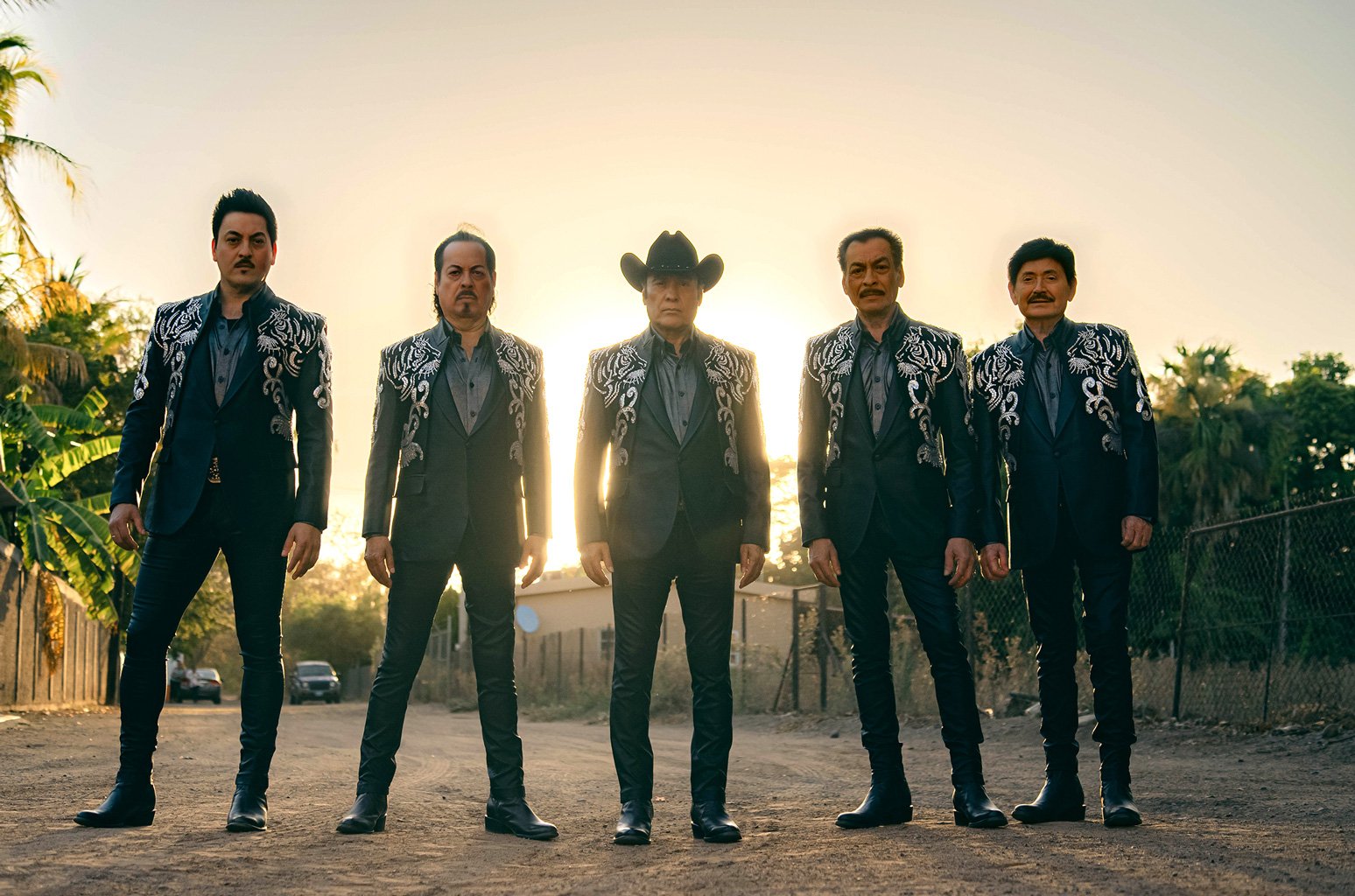
Regional Mexican artists have mainly borne the brunt of this situation with publicly known cases for Álvarez; Los Alegres del Barranco, who lost their visa after the group portrayed images “glorifying” drug kingpin “El Mencho” at a concert in Mexico in March; and Grupo Firme, which canceled its participation at La Onda Fest in June over visas delayed in administrative processing.
For one executive at a regional Mexican indie label, who prefers to remain anonymous and is not associated with the aforementioned acts, their marquee artist suddenly having to cancel shows in the U.S. over visa uncertainty led to higher-than-usual stress levels, to the point where they questioned if the company could survive those cancelations. “When our main source of income loses a large percentage of that income, you enter a moment of uncertainty because we didn’t know if this would be remedied quickly or if there was a bigger problem than just losing a visa,” the executive explains.
Even today, when Latin music has gone global and there’s a huge number of Latin artists touring in other markets, including Europe, the U.S. remains the No. 1 market for any artist, and losing a gig here is a major financial blow. “You get guys like Firme and Julión who gross $10 million in one night [in the U.S.],” CMN’s Henry Cárdenas previously told Billboard. “This is where you make the big money — you don’t make that money in Mexico, with all due respect.”
Related
Besides touring in the U.S., promoting their work here — from radio shows to making the rounds at DSPs and attending major award shows that take place in the U.S. like the Billboard Latin Music Awards and Latin Grammys — remains crucial for any artist. The country continues to be the No. 1 global music market, with music revenue growing 2.2% year-on-year, according to the IFPI Global Music Report 2025, powered by streaming revenue that is greater than in any other country.
The per-stream rate varies from country to country, but a stream coming from Mexico is worth about 2% of a stream coming from the U.S., Josh Norek, president of Regalias Digitales, previously explained to Billboard. For a DSP like Spotify, a premium account is worth more on a per-stream basis than a free account. “You go from paying like $10 a month for Spotify Premium here to the [more common] free ad-supported tier in Mexico, Guatemala or Venezuela and it will generate almost nothing,” added Norek. That makes it even more important for Latin artists to build fan bases in the U.S., given how dominant streaming is in the current music business.
For Cuban artists — who have another set of challenges to deal with due to the ever-shifting diplomatic relations between the U.S. and Cuba, and sanctions that have cut off the island from Spotify or Amazon Music (YouTube is available but it’s not monetized) — the impact goes beyond just financial. “There’s a toll on their mental health as well,” says Collin Laverty, whose expertise on U.S.-Cuba relations has led him to work closely with several Cuban artists, including Cimafunk. “Being able to travel to the U.S. and tour is an important outlet economically and psychologically, so complicating that on the immigration front is so detrimental to a career but also the psyche.”
The most common issue for Cuban artists under President Trump is approval delays and extreme vetting at U.S. embassies and consulates following the Trump-imposed travel ban on several countries, including Venezuela and Cuba. The ban partially restricts and limits the entry of both immigrants and nonimmigrants from those nations. “There’s still a legal avenue but it’s hard to meet the threshold to get approval for a visa and root out the politics,” Laverty says. Because Cuba is on the state sponsors of terrorism list under the Trump-imposed travel ban, “90% of visa applicants get sent to admin review status, which is a multi-agency review that can take months,” he adds. “They are almost always approved but almost always delayed, so that makes it difficult for promoters and festivals to even book Cuban artists.”
Related
Travel restrictions for Cuban artists already existed pre-Trump. In the early 2000s, U.S. visa restrictions tightened under the Bush administration, which made it difficult to get permission to travel to the U.S. During that time, the U.S. State Department’s crackdown on Cuban visitors impacted Latin Grammy-nominated artists who secured visas just days before the event, while others, for lack of visas, were forced to miss the Latin Grammys ceremony in Miami in 2003. That was reversed during the Obama administration which, like the Biden administration, facilitated visas as much as possible, allowing for more cultural exchange between the two countries, albeit with some challenges created outside of the executive branch.
Trump’s latest administration overturned that policy just as a burgeoning new urban movement, led by a new generation of reparto artists, has gained momentum outside of Cuba, including in Miami, home to the largest Cuban population outside of Cuba.
“It’s more essential now than ever for an artist to be able to promote their music in the U.S.,” says Laverty. “It’s a tough reality to be a Cuban artist and feel trapped because Cuba is going through a real difficult moment economically, socially and politically. There is a fan base here, with more than 2 million Cuban Americans living in the U.S. Sure, you can go to Europe and Latin America but there are less Cuban nationals living there, less money, less industry infrastructure. And, if you’re trying to get nominated for an award and you can’t participate in showcases or in person meetings, it makes it really difficult for career growth.”
Continue Reading
It’s the final new music Friday (April 24) of the month, and everyone from Noah Kahan to Kehlani and Suki Waterhouse have put forth some of their best work as May waits just around the corner.
This week, Vermont’s favorite folk-rock singer-songwriter finally returned with a new album after four years of Stick Season, his breakout album that reached No. 2 on the Billboard 200. The Great Divide is 17 tracks of Kahan reexamining his worldview after struggling with his mental health in the years since he found fame.
And, as if taking cues from the success of first-ever Billboard Hot 100 top 10 hit “Folded” (which reached No. 6 on the chart in January), Kehlani leans fully into classic R&B flavors in an intentional push to recenter the genre’s traditions. “All the R&B artists, we want R&B to be back,” the artist told Billboard ahead of being named Billboard Women in Music’s Impact honoree. “We want good, long songs. We want three verses and bridges and modulations and all the things – we want that too. We just didn’t think anybody else wanted it. I have an allegiance to the genre, and I’ll keep it there.”
On top of the bounty of new albums, several artists have released fresh singles — including Suki Waterhouse, who returns with “Tiny Raisin” shortly after announcing her next album, Loveland, as well as Hayley Kiyoko and Gigi Perez, who teamed up for heartfelt duet “Collide.” Plus, Dylan Gossett adds “My Boy” to the mix, written as a letter to his son.
But which release is your favorite this week? Let Billboard know by voting in the poll below.

All products and services featured are independently chosen by editors. However, Billboard may receive a commission on orders placed through its retail links, and the retailer may receive certain auditable data for accounting purposes.
It’s been almost three decades since the LA-based casual wear brand Juicy Couture first hit store shelves, and the Hollywood-loved label has made its way back into the spotlight in recent years thanks to the Y2K trend resurgence and newfound love from influencers online.
Best known for its T-shirts, handbags and yes, those velour tracksuits (reportedly designed exclusively for Madonna at first), Juicy Couture pieces were seen on practically every major celebrity in the 2000s, from Paris Hilton and Britney Spears, to Jennifer Lopez and Kim Kardashian. Musicians like Miley Cyrus, Nicole Scherzinger and even Beyoncé have also been spotted wearing Juicy Couture, and now, a new Amazon deal makes it easy for you to get into some JC as well.

LIMITED TIME DEAL
Juicy Couture Cap Sleeve T-Shirt (Five-Pack)
$38.24 $44.99 15% off
Amazon is selling a five-pack of Juicy Couture T-shirts right now for just $39. Part of the “Juicy Sport” line, the cropped T-shirts are made from a super soft and breathable “performance” fabric that features a touch of spandex for easy movement and stretch.
That makes the T-shirts as ideal for a workout or yoga session as they are for pairing with your everyday ‘fits. The crop top look leans into the Y2K aesthetic and Amazon’s website shows the shirts styled with shorts, leggings and mini skirts alike.
This Amazon deal gets you five Juicy Couture T-shirts for under $40. That brings the price of each tee down to less than $8 — a virtually unheard of deal for generic T-shirts, let alone a brand name pick.
We like the five-pack above, which gets you a T-shirt in two shades of pink (including a light pink with the signature Juicy Couture cherries), plus navy blue, gray and black. You can choose from other color combinations online. The tees are available in sizes small to XXL.

ALSO AVAILABLE
Juicy Couture T-Shirts (Three-Pack)
$29.74
Don’t need five T-shirts? Amazon also sells a three-pack of Juicy Couture tees for just $30, bringing the price of each individual shirt to under $10.

ALSO CONSIDER
Juicy Couture Queen of Everything Mini Duffle Bag
$45.09 $79.00 43% off
And if you need a bag to take to the gym (or for an overnight stay), we like this mini barrel-style duffle bag, on sale for 43% off. The two-tone bag measures approximate 8.2 x 4.9 inches in size, which is enough room for your wallet, keys, change of clothes and toiletries. Choose to carry the bag via the top handle or with the detachable shoulder straps.
All of the above picks are officially-licensed products sold through Amazon’s Juicy Couture storefront. As with all Amazon deals, the sale prices could end at anytime, so we recommend adding the deals to cart while they are still live.
Netflix is bringing us back to the ’80s, and it’s making sure we have the right music for the occasion.
On Wednesday (April 22), Billboard can exclusively reveal that an original soundtrack is coming this week for the brand-new animated spin-off series Stranger Things: Tales From ’85. The score album, composed by Brad Breeck (Gravity Falls, We Bare Bears), will be released globally Thursday (April 23) at midnight ET.
Stranger Things: Tales From ’85 also arrives Thursday on Netflix, bringing viewers back to the fictional town of Hawkins, Indiana, in the ’80s and reuniting us with some of the original show’s main characters. And much like Stranger Things, music plays a large role in the new show.
“This collection bridges the gap between the eerie depths of the Upside Down and the vibrant, neon energy of the mid-’80s,” Netflix said in a statement.
Tales From ’85 will feature not only a brand-new version of the original Stranger Things theme song, but the first episodes also include a selection of ’80s hits from artists like Black Sabbath, Billy Idol, Cyndi Lauper and more. Needle drops throughout the series include “We Got the Beat” by The Go-Go’s, “A Forest” by The Cure and “We’ll Meet Again” by Vera Lynn, “Rebel Yell” by Idol, and Lauper’s Billboard Hot 100 chart-topper “Time After Time.”
If it’s anything like the original show, artists with songs played in the new series could see a bump in streams and chart placements in the aftermath of the show’s premiere. After featuring the songs in pivotal moments, Stranger Things brought Kate Bush‘s “Running Up That Hill (A Deal With God)” to a new peak of No. 3 on the Hot 100 in 2022, 37 years after its initial release, while Metallica’s “Master of Puppets” made its debut on the chart the same year, 36 years after it came out.
Fans can pre-save Stranger Things: Tales From ’85 (Soundtrack from the Netflix Series) by Brad Breeck here, and find the full score track list below.
Stranger Things: Tales From ’85 (Soundtrack from the Netflix Series) by Brad Breeck track list
Flamethrower (artists: Brad Breeck feat. Brian Parkhurst)
Kids Riding Bikes
Big Snowstorm Coming
Someone In There
HIC Theme
I Just Saved Your Life
Strange Stones
Gotta Go Dark
How Long Is Detention
Sewer Chase (artists: Brad Breeck feat. Brian Parkhurst)
Towns
Clean Up
Investigating Pumpkins
Heaven Eleven
Nice Time Tonight
Storm the Gates
What Were These Things
Ground Rules
seluR dnuorG
Her Royal Nastiness
We Have To Try
Tales from ’85 End Titles (artists: Brad Breeck feat. Cooper Babbes)

Entertainment5 months ago
Which New Music Release Is Your Favorite This Week? Vote!
Entertainment5 months ago
Celeb-Loved Juicy Couture T-Shirts Are On Sale for $8 Right Now (If You Hurry)
Entertainment5 months ago
Head Back to Hawkins With New ‘Stranger Things: Tales From ’85’ Soundtrack

Politics1 year ago
SEND IN THE TROOPS! At Least 5 Dead, 10 Wounded So Far in Chicago Weekend Shootings
Business1 year ago
How I Paid Off My Mortgage 10 Years Early On A Teacher’s Salary

Politics12 months ago
Black Lives Matter Activist in Boston Pleads Guilty to Federal Fraud Charges – Scammed Donors to Fund Her Lifestyle
-
 Politics1 year ago
SEND IN THE TROOPS! At Least 5 Dead, 10 Wounded So Far in Chicago Weekend Shootings
-
Business1 year ago
How I Paid Off My Mortgage 10 Years Early On A Teacher’s Salary
-
 Politics12 months ago
Black Lives Matter Activist in Boston Pleads Guilty to Federal Fraud Charges – Scammed Donors to Fund Her Lifestyle
-

 Tech1 year ago
Get a lifetime subscription to the “ChatGPT for investors” for under $60
-

 Tech12 months ago
Review: The Dreame H15 Pro CarpetFlex is the first wet/dry vacuum I liked
-
Business1 year ago
25 Low-Effort Side Hustles You Can Start This Weekend
-

 Tech1 year ago
How much does the Roborock Saros Z70 cost? And does it ever go on sale?
-
Business1 year ago
9 Ways to Command a Six-Figure Salary Without a Bachelor’s