



Entertainment
Eminem Licensing Lawsuit Slammed: Instagram & Facebook Call $110M Damages Claim ‘Fanciful’

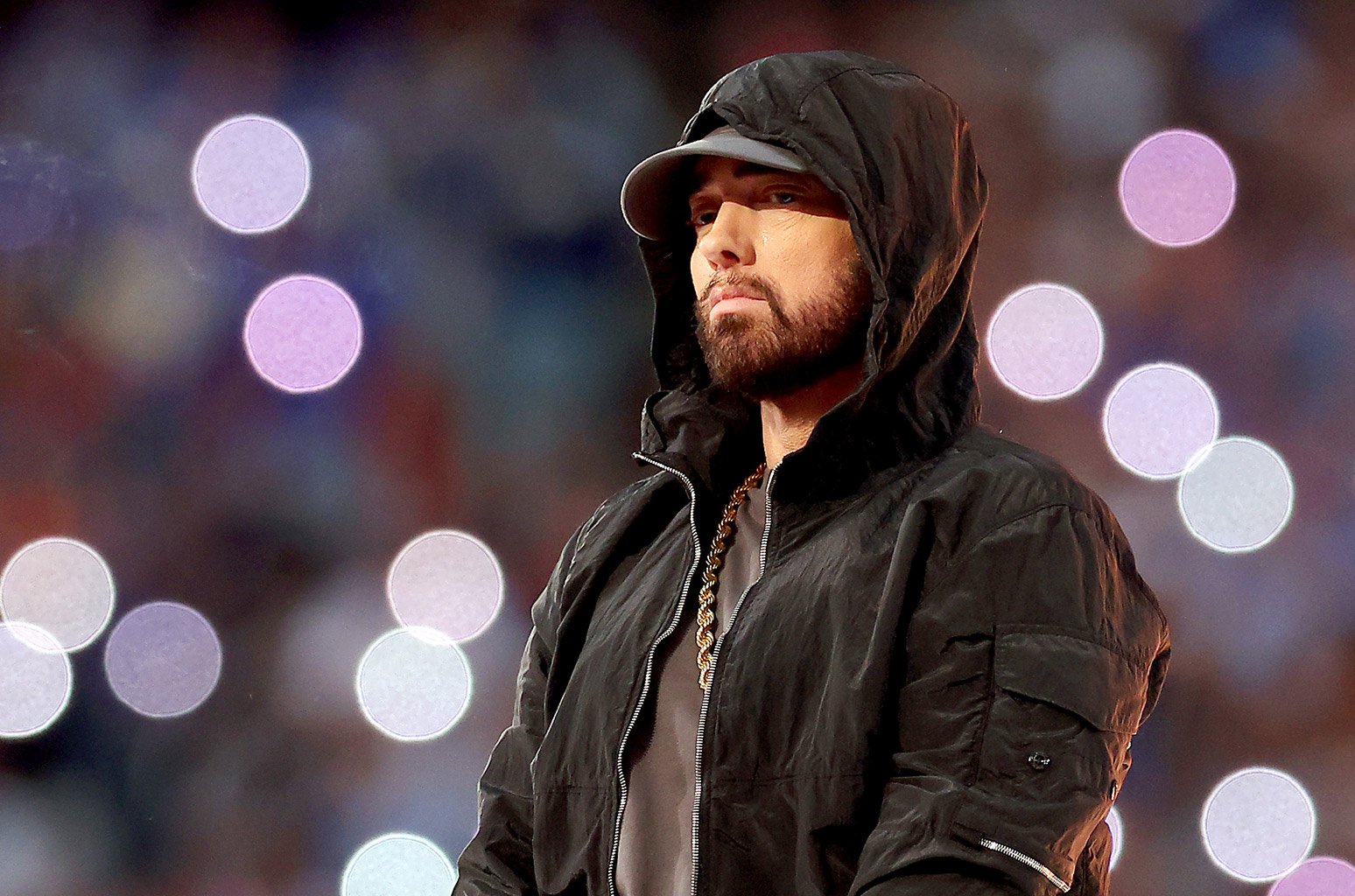
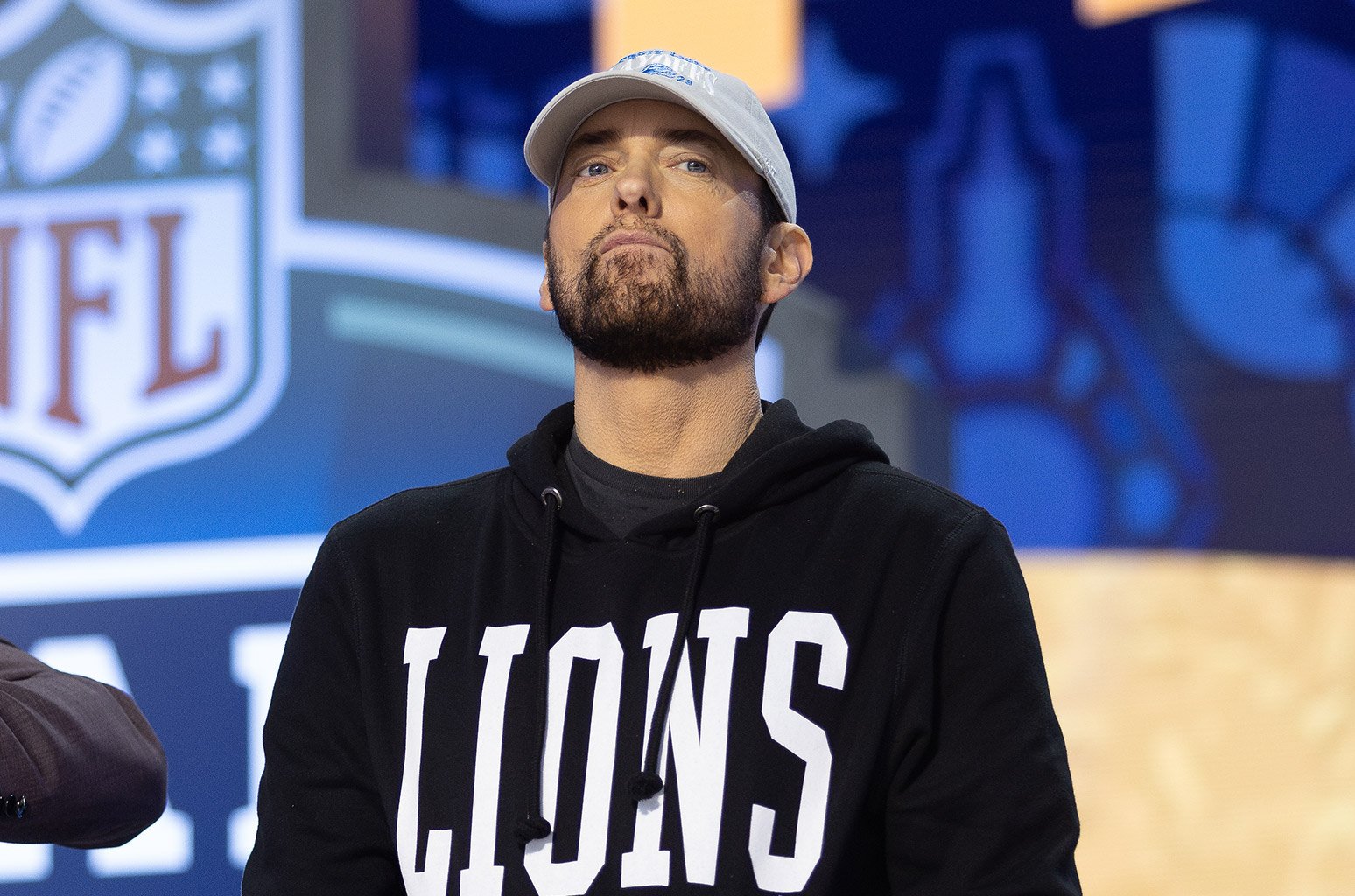
Meta says there’s no basis for Eminem’s music publisher to claim that “Lose Yourself” and other iconic tracks were made available to billions of users without permission, urging a federal judge to dismiss the lawsuit that seeks an “eye-popping” $110 million in damages.
Eight Mile Style, a publishing company that owns 243 Eminem compositions, filed suit in May against the juggernaut owner of Facebook, Instagram and WhatsApp. Eight Mile alleged that all three Meta platforms were hosting unlicensed versions of its songs in their music libraries, which allow users to easily add their favorite tracks to the photos and videos they post.
The publisher is seeking the maximum statutory damages of $150,000 per case of infringement, which, multiplied by 243 songs and three platforms, adds up to a whopping $109.4 million. But Meta said in a Thursday (Sept. 18) motion to dismiss the lawsuit that while Eight Mile’s complaint “is long on rhetoric, it is remarkably short on specifics.”
“Fanciful estimates are not a substitute for well-pleaded facts,” wrote Meta’s lawyers from the firm Mayer Brown. “Belying their extravagant claims, Eight Mile never identifies a single example of an allegedly infringing post or story across any of the three Meta services at issue.”
Meta says that Eight Mile’s failure to identify specific instances of alleged infringement should make the case dead on arrival, since the social media giant can’t be expected to adequately defend itself against such generalized claims.
Thursday’s motion also claims that, beyond these defects in meeting the pleading standards, Eight Mile’s lawsuit simply gets the facts wrong. Meta says it did, in fact, have permission to use Eminem’s songs, per a broader licensing agreement signed in 2020 with Audiam, a digital rights collection agency that supposedly negotiated the deal on behalf of Eight Mile.
“Far from showing ‘actual knowledge’ of infringement, these allegations instead show that the Audiam licenses covered the compositions — or, at minimum, the parties’ good-faith understanding that the licenses did,” write the Meta attorneys.
Lawyers for Eight Mile Style did not immediately return requests for comment on the motion on Thursday. Eminem does not have any ownership interest in the publishing company and is not involved in the litigation.
Meta’s motion to dismiss argues that Eight Mile Style is “notoriously litigious,” and indeed, the publisher is no stranger to copyright litigation. The company spent years suing Spotify for allegedly failing to obtain proper licenses for its songs, but a federal judge threw out the case in a sharply critical ruling last year. Eight Mile Style is now appealing that decision.

Continue Reading
It’s the final new music Friday (April 24) of the month, and everyone from Noah Kahan to Kehlani and Suki Waterhouse have put forth some of their best work as May waits just around the corner.
This week, Vermont’s favorite folk-rock singer-songwriter finally returned with a new album after four years of Stick Season, his breakout album that reached No. 2 on the Billboard 200. The Great Divide is 17 tracks of Kahan reexamining his worldview after struggling with his mental health in the years since he found fame.
And, as if taking cues from the success of first-ever Billboard Hot 100 top 10 hit “Folded” (which reached No. 6 on the chart in January), Kehlani leans fully into classic R&B flavors in an intentional push to recenter the genre’s traditions. “All the R&B artists, we want R&B to be back,” the artist told Billboard ahead of being named Billboard Women in Music’s Impact honoree. “We want good, long songs. We want three verses and bridges and modulations and all the things – we want that too. We just didn’t think anybody else wanted it. I have an allegiance to the genre, and I’ll keep it there.”
On top of the bounty of new albums, several artists have released fresh singles — including Suki Waterhouse, who returns with “Tiny Raisin” shortly after announcing her next album, Loveland, as well as Hayley Kiyoko and Gigi Perez, who teamed up for heartfelt duet “Collide.” Plus, Dylan Gossett adds “My Boy” to the mix, written as a letter to his son.
But which release is your favorite this week? Let Billboard know by voting in the poll below.

All products and services featured are independently chosen by editors. However, Billboard may receive a commission on orders placed through its retail links, and the retailer may receive certain auditable data for accounting purposes.
It’s been almost three decades since the LA-based casual wear brand Juicy Couture first hit store shelves, and the Hollywood-loved label has made its way back into the spotlight in recent years thanks to the Y2K trend resurgence and newfound love from influencers online.
Best known for its T-shirts, handbags and yes, those velour tracksuits (reportedly designed exclusively for Madonna at first), Juicy Couture pieces were seen on practically every major celebrity in the 2000s, from Paris Hilton and Britney Spears, to Jennifer Lopez and Kim Kardashian. Musicians like Miley Cyrus, Nicole Scherzinger and even Beyoncé have also been spotted wearing Juicy Couture, and now, a new Amazon deal makes it easy for you to get into some JC as well.

LIMITED TIME DEAL
Juicy Couture Cap Sleeve T-Shirt (Five-Pack)
$38.24 $44.99 15% off
Amazon is selling a five-pack of Juicy Couture T-shirts right now for just $39. Part of the “Juicy Sport” line, the cropped T-shirts are made from a super soft and breathable “performance” fabric that features a touch of spandex for easy movement and stretch.
That makes the T-shirts as ideal for a workout or yoga session as they are for pairing with your everyday ‘fits. The crop top look leans into the Y2K aesthetic and Amazon’s website shows the shirts styled with shorts, leggings and mini skirts alike.
This Amazon deal gets you five Juicy Couture T-shirts for under $40. That brings the price of each tee down to less than $8 — a virtually unheard of deal for generic T-shirts, let alone a brand name pick.
We like the five-pack above, which gets you a T-shirt in two shades of pink (including a light pink with the signature Juicy Couture cherries), plus navy blue, gray and black. You can choose from other color combinations online. The tees are available in sizes small to XXL.

ALSO AVAILABLE
Juicy Couture T-Shirts (Three-Pack)
$29.74
Don’t need five T-shirts? Amazon also sells a three-pack of Juicy Couture tees for just $30, bringing the price of each individual shirt to under $10.

ALSO CONSIDER
Juicy Couture Queen of Everything Mini Duffle Bag
$45.09 $79.00 43% off
And if you need a bag to take to the gym (or for an overnight stay), we like this mini barrel-style duffle bag, on sale for 43% off. The two-tone bag measures approximate 8.2 x 4.9 inches in size, which is enough room for your wallet, keys, change of clothes and toiletries. Choose to carry the bag via the top handle or with the detachable shoulder straps.
All of the above picks are officially-licensed products sold through Amazon’s Juicy Couture storefront. As with all Amazon deals, the sale prices could end at anytime, so we recommend adding the deals to cart while they are still live.
Netflix is bringing us back to the ’80s, and it’s making sure we have the right music for the occasion.
On Wednesday (April 22), Billboard can exclusively reveal that an original soundtrack is coming this week for the brand-new animated spin-off series Stranger Things: Tales From ’85. The score album, composed by Brad Breeck (Gravity Falls, We Bare Bears), will be released globally Thursday (April 23) at midnight ET.
Stranger Things: Tales From ’85 also arrives Thursday on Netflix, bringing viewers back to the fictional town of Hawkins, Indiana, in the ’80s and reuniting us with some of the original show’s main characters. And much like Stranger Things, music plays a large role in the new show.
“This collection bridges the gap between the eerie depths of the Upside Down and the vibrant, neon energy of the mid-’80s,” Netflix said in a statement.
Tales From ’85 will feature not only a brand-new version of the original Stranger Things theme song, but the first episodes also include a selection of ’80s hits from artists like Black Sabbath, Billy Idol, Cyndi Lauper and more. Needle drops throughout the series include “We Got the Beat” by The Go-Go’s, “A Forest” by The Cure and “We’ll Meet Again” by Vera Lynn, “Rebel Yell” by Idol, and Lauper’s Billboard Hot 100 chart-topper “Time After Time.”
If it’s anything like the original show, artists with songs played in the new series could see a bump in streams and chart placements in the aftermath of the show’s premiere. After featuring the songs in pivotal moments, Stranger Things brought Kate Bush‘s “Running Up That Hill (A Deal With God)” to a new peak of No. 3 on the Hot 100 in 2022, 37 years after its initial release, while Metallica’s “Master of Puppets” made its debut on the chart the same year, 36 years after it came out.
Fans can pre-save Stranger Things: Tales From ’85 (Soundtrack from the Netflix Series) by Brad Breeck here, and find the full score track list below.
Stranger Things: Tales From ’85 (Soundtrack from the Netflix Series) by Brad Breeck track list
Flamethrower (artists: Brad Breeck feat. Brian Parkhurst)
Kids Riding Bikes
Big Snowstorm Coming
Someone In There
HIC Theme
I Just Saved Your Life
Strange Stones
Gotta Go Dark
How Long Is Detention
Sewer Chase (artists: Brad Breeck feat. Brian Parkhurst)
Towns
Clean Up
Investigating Pumpkins
Heaven Eleven
Nice Time Tonight
Storm the Gates
What Were These Things
Ground Rules
seluR dnuorG
Her Royal Nastiness
We Have To Try
Tales from ’85 End Titles (artists: Brad Breeck feat. Cooper Babbes)

Entertainment5 months ago
Which New Music Release Is Your Favorite This Week? Vote!
Entertainment5 months ago
Celeb-Loved Juicy Couture T-Shirts Are On Sale for $8 Right Now (If You Hurry)
Entertainment5 months ago
Head Back to Hawkins With New ‘Stranger Things: Tales From ’85’ Soundtrack

Politics1 year ago
SEND IN THE TROOPS! At Least 5 Dead, 10 Wounded So Far in Chicago Weekend Shootings
Business1 year ago
How I Paid Off My Mortgage 10 Years Early On A Teacher’s Salary

Politics12 months ago
Black Lives Matter Activist in Boston Pleads Guilty to Federal Fraud Charges – Scammed Donors to Fund Her Lifestyle
-
 Politics1 year ago
SEND IN THE TROOPS! At Least 5 Dead, 10 Wounded So Far in Chicago Weekend Shootings
-
Business1 year ago
How I Paid Off My Mortgage 10 Years Early On A Teacher’s Salary
-
 Politics12 months ago
Black Lives Matter Activist in Boston Pleads Guilty to Federal Fraud Charges – Scammed Donors to Fund Her Lifestyle
-

 Tech1 year ago
Get a lifetime subscription to the “ChatGPT for investors” for under $60
-

 Tech12 months ago
Review: The Dreame H15 Pro CarpetFlex is the first wet/dry vacuum I liked
-
Business1 year ago
25 Low-Effort Side Hustles You Can Start This Weekend
-

 Tech1 year ago
How much does the Roborock Saros Z70 cost? And does it ever go on sale?
-
Business1 year ago
9 Ways to Command a Six-Figure Salary Without a Bachelor’s