
Tech
Take $100 off MSIs stunning 49-inch curved OLED gaming monitor


SAVE $100: As of Feb. 20, the MSI MPG 491CQP 49-inch curved OLED gaming monitor is on sale for $749.99 at Amazon. That's $100 or 12% off its current list price.

Opens in a new window
There's no denying that curved, ultrawide gaming monitors are some of the most impressive on the market. Not only do you get an outrageous amount of screen real estate, but you'll also go from just playing games to being submerged in them. They're not for the faint of heart, but if you're ready to take the leap, the MSI MPG 491CQP monitor is on sale for 100 bucks off at Amazon.
As of Feb. 20, you can upgrade to the MSI MPG 49-inch curved OLED gaming monitor for only $749.99 instead of $849.99. That's 12% off and just $50 shy of its best price on record.
The 49-inch display is already large and in charge, but add the steep 1800R curvature to the mix and you'll have a massive amount of screen real estate. It does take up a bit of desktop space as well. The niche 32:9 aspect ratio isn't compatible with every game, so we recommend double-checking that the games you love are compatible before snagging it. If you've never had a curved monitor before, it'll take a little getting used to. But the wrap-around monitor will provide some unforgettable gaming experiences. It basically puts you smack dab in the center of the action.
The MPG 491CQP monitor offers a 144Hz refresh rate, 0.03ms response time, VESA certification for ClearMR 8000, and DisplayHDR True Black 400, which ensure vivid imagery and mitigate motion blur. There's also a built-in gaming intelligence app that simplifies setup and helps dial in your settings. OLED Care 2.0 helps to reduce OLED burn-in risks and the monitor comes with a three-year burn-in warranty.
A premium curved OLED monitor can cost you over $1,000, so the MSI MPG 491CQP is quite the steal at just $749.99.


As major companies around the world start incorporating AI into virtually all aspects of their operation, things are bound to get a little wonky from time to time.
That's reportedly what happened to Amazon this past December, per the Financial Times. The company's cloud infrastructure, which makes up the backbone of a large part of the internet as we know it, experienced two minor outages that month, including a 13-hour outage in the middle of the month. It was apparently caused by engineers allowing the agentic Kiro AI system to perform some tasks, which led the AI to "delete and recreate the environment."
Mind you, this event wasn't anywhere near the same scale as the big Amazon Web Services outage last October.
However, Amazon is denying the report. An AWS spokesperson told Reuters that it was a "brief event" caused by "user error," not AI by itself. In other words, if the Financial Times report is true, then the company is placing blame on the engineers who let the AI perform tasks rather than the AI itself. At any rate, the spokesperson also said the December outages did not impact major infrastructural services as the big October one did. (Mashable reached out to Amazon for comment, and we'll update this story if we receive a response.)
While the notion that Amazon's internal AI can facilitate infrastructure outages is not exactly encouraging, at least it didn't result in anything catastrophic.
Big, high-profile outages have been a recurring event on the internet lately. Most recently, we saw YouTube suffer a brief global outage. See also: Verizon, Cloudflare, Microsoft 365, Google Cloud Platform, Microsoft Azure, and TikTok.
Experts disagree as to whether internet outages are becoming more common. However, one fact is clear: As websites and apps increasingly rely on a small number of cloud providers — including Amazon Web Services — a single outage can have widespread, cascading effects across the internet.
UPDATE: Feb. 20, 2026, 12:36 p.m. EST We've updated this story to clarify that Amazon has blamed the outages on human error, not AI.
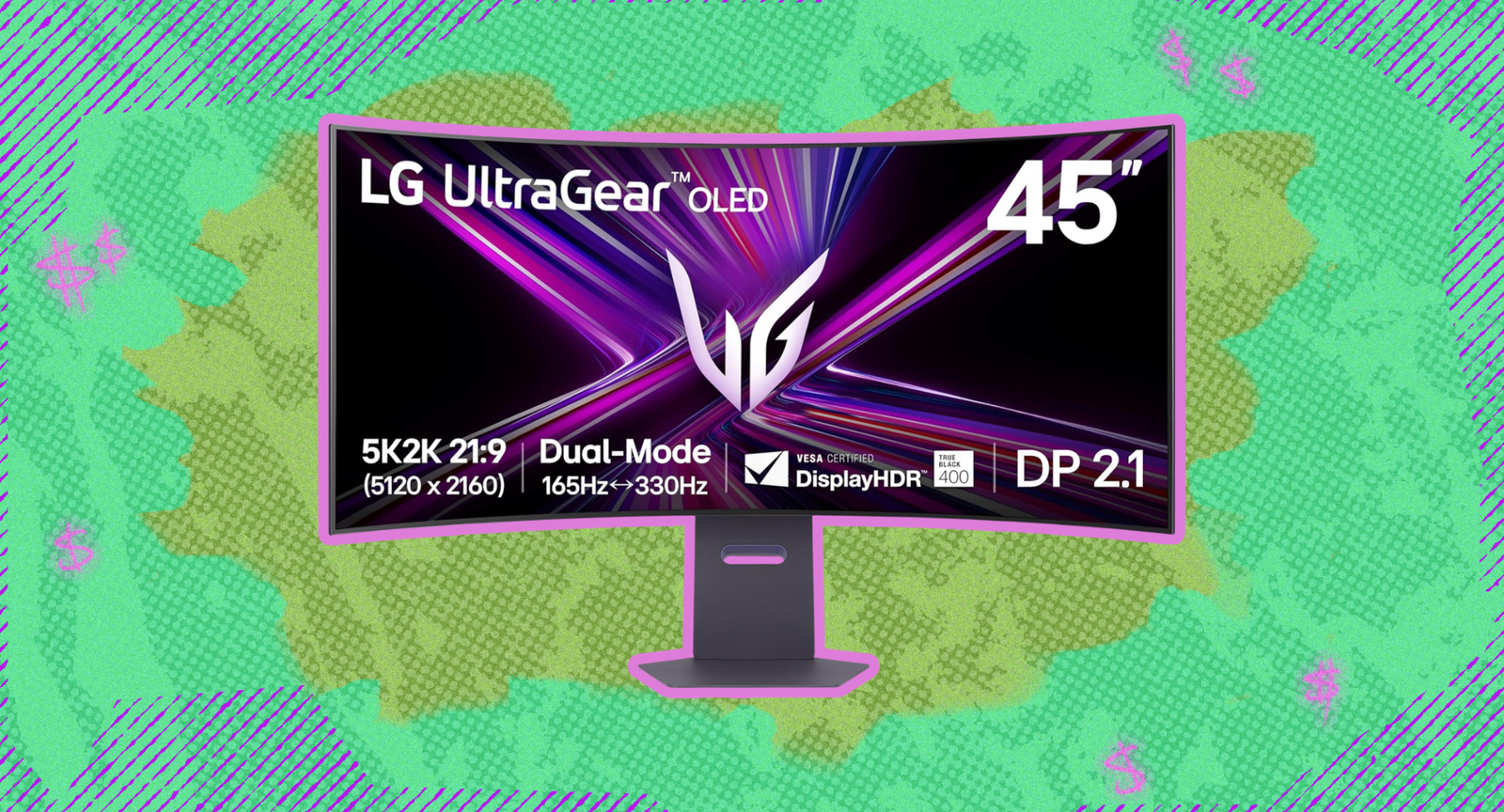
SAVE 32%: As of Feb. 20, you can get the LG Ultragear 5K2K OLED Curved Gaming Monitor (45GX950A-B) for $1,350.18, down from $1,999.99, at Amazon. That's a 32% discount or $649.81 savings.

at Amazon
$1,999.99
Save $649.81
Dropping over a grand on a gaming monitor is undeniably a flex, but if you've been waiting for a sign to upgrade your battle station, Amazon just knocked a hefty chunk of change off the crown jewel of LG's OLED lineup.
As of Feb. 20, you can get the LG Ultragear 5K2K OLED Curved Gaming Monitor (45GX950A-B) for $1,350.18, down from $1,999.99, at Amazon. That's a 32% discount or $649.81 savings.
While $1,350 is still a splurge, this is a pretty good price for an ultra-wide screen of this caliber. The curved display features "Dual-Mode" capability, which essentially serves as two separate monitors. When you want to get lost in a story-driven game, you can run the panel in 5K2K (5120 x 2160) resolution at 165Hz. But if you’re playing a competitive shooter where frames matter more than pixels, a hotkey instantly switches the screen to Wide Full HD and cranks the refresh rate up to 330Hz.
Add in a 0.03ms response time, a DisplayPort 2.1 connection, and the deep blacks OLEDs are famous for, and you have one of the most versatile gaming displays on the market.
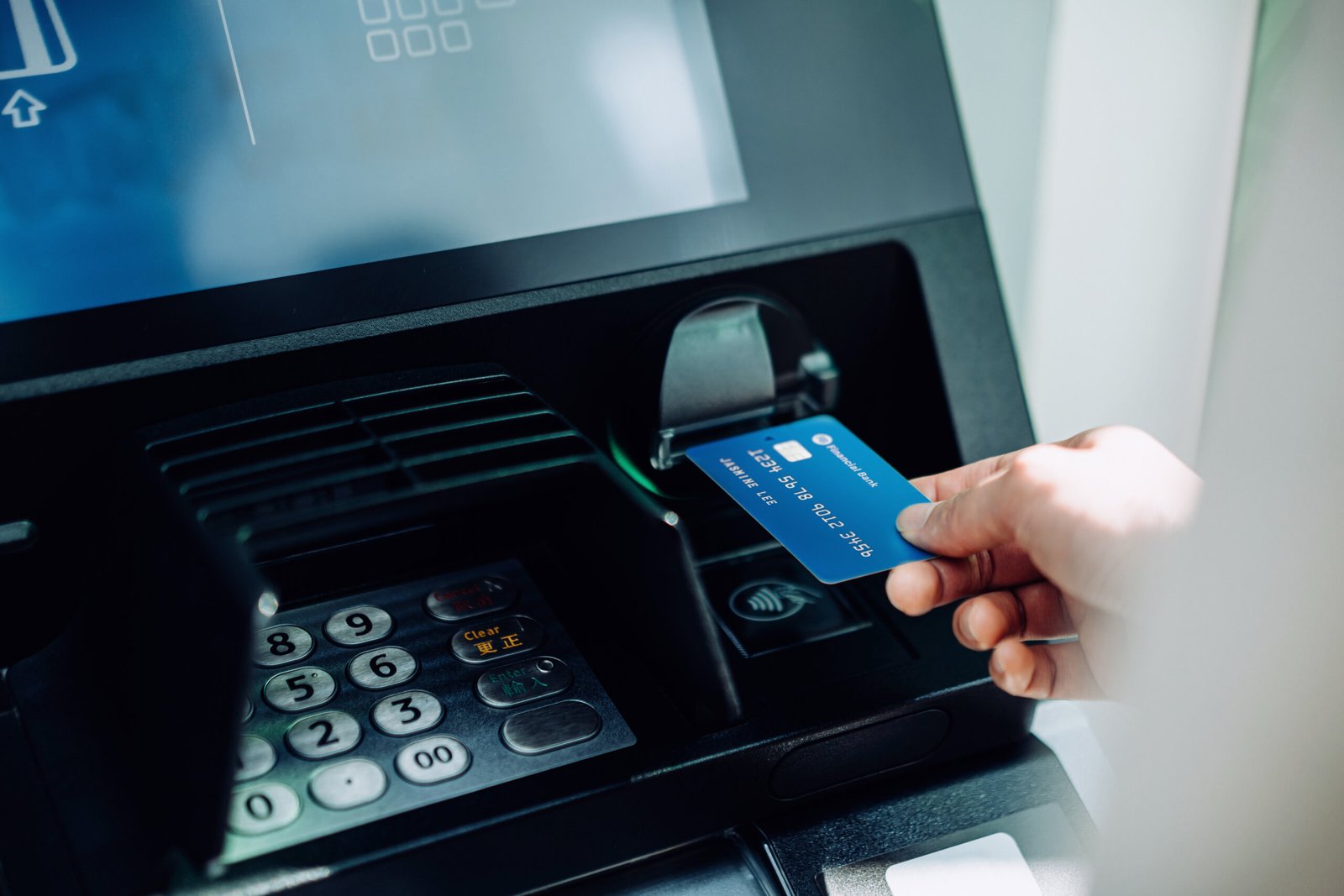
The FBI warned that hackers are successfully stealing millions from ATMs — and the attacks are becoming more frequent.
The FBI warned that the increase in ATM jackpotting — which is exactly what it sounds like — is a result of both physical methods for theft as well as digital malware.
Wrote the FBI in a bulletin:
"Threat actors exploit physical and software vulnerabilities in ATMs and deploy malware to dispense cash without a legitimate transaction. The FBI has observed an increase in ATM jackpotting incidents across the United States. Out of 1,900 ATM jackpotting incidents reported since 2020, over 700 of them with more than $20 million in losses occurred in 2025 alone."
One form of malware, in particular, allows hackers to gain total control over an ATM, making the jackpotting reliably simple. Thankfully for regular people, the malware called "Ploutus" doesn't give hackers access to accounts but rather the machine itself.
"Once Ploutus is installed on an ATM, it gives threat actors direct control over the machine, allowing them to trigger cash withdrawals," wrote the FBI. "Ploutus attacks the ATM itself rather than customer accounts, enabling fast cash-out operations that can occur in minutes and are often difficult to detect until after the money is withdrawn."
Ploutus takes advantage of software that ATMs use to communicate with financial institutions, TechCrunch noted.

Tax Refunds Are Big This Year, IRS Data Show. Here’s How Big.
Checking in a Second Bag Could Now Cost You More on American Airlines

Two Amazon cloud outages in December triggered by AI tools, report says

Send Help review: GLOP! Youre not ready for Rachel McAdams latest… but I love it
How I Paid Off My Mortgage 10 Years Early On A Teacher’s Salary

Black Lives Matter Activist in Boston Pleads Guilty to Federal Fraud Charges – Scammed Donors to Fund Her Lifestyle
-
 Tech4 weeks ago
Send Help review: GLOP! Youre not ready for Rachel McAdams latest… but I love it
-
Business5 months ago
How I Paid Off My Mortgage 10 Years Early On A Teacher’s Salary
-
 Politics5 months ago
Black Lives Matter Activist in Boston Pleads Guilty to Federal Fraud Charges – Scammed Donors to Fund Her Lifestyle
-

 Tech6 months ago
Get a lifetime subscription to the “ChatGPT for investors” for under $60
-

 Tech5 months ago
Review: The Dreame H15 Pro CarpetFlex is the first wet/dry vacuum I liked
-
Business6 months ago
25 Low-Effort Side Hustles You Can Start This Weekend
-
Business6 months ago
9 Ways to Command a Six-Figure Salary Without a Bachelor’s
-

 Entertainment4 months ago
Fat Joe Recalls Bruno Mars Snapping on Him Over Question About Puerto Rican Roots: ‘Broke My Heart’