
Tech
Is SLS still the most powerful rocket? 5 facts as Artemis 2 rolls out

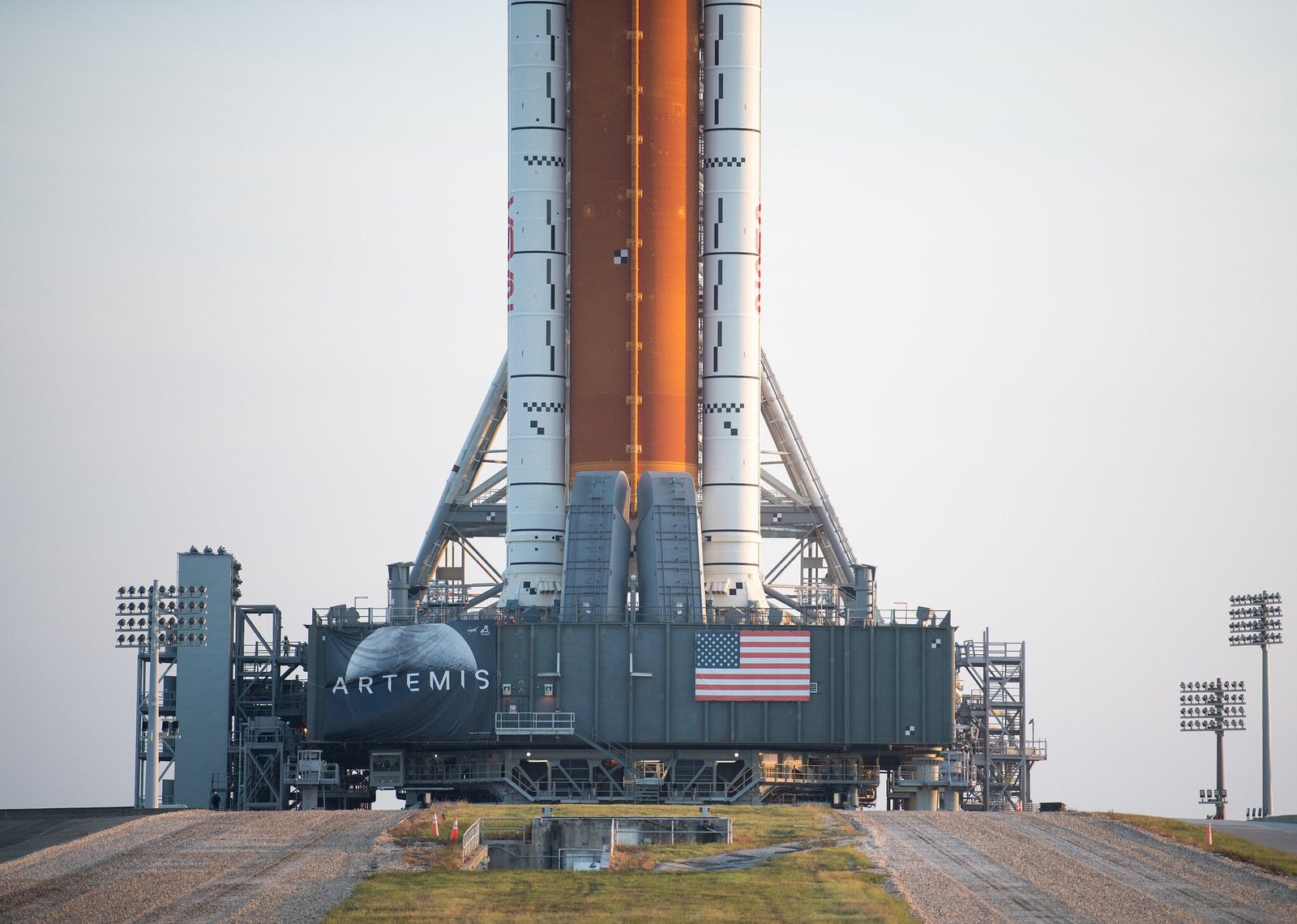
NASA’s mega moon rocket will begin a slow trek to its Florida launchpad early Saturday, marking a major milestone for Artemis II, the agency’s first crewed lunar mission in over 50 years.
The rollout of the Space Launch System and Orion spaceship to a Cape Canaveral launchpad will kick off the final series of ground tests before NASA attempts to send four astronauts — Reid Wiseman, Victor Glover, Christina Koch, and Jeremy Hansen — on a 10-day flight into deep space.
The journey begins at 7 a.m. ET Jan. 17, which you can watch live below, with the stacked rocket exiting the Vehicle Assembly Building on a giant crawler-transporter. And they don't call it a "crawl" for nothing.
"We'll be at a cruising speed of just under 1 mph," said launch director Charlie Blackwell-Thompson at a Friday briefing. "It'll be a little slower around the turns and up the hill, and that journey will take us about eight to 10 hours to get there."
Once at the pad, teams will hook the rocket and capsule to ground systems and swing the crew access arm into place. If the fueling dress rehearsal goes smoothly, NASA could target launch opportunities as early as February.
Here’s what to know about NASA’s towering moon rocket.
1. SLS is powerful, but no longer the most powerful
SLS generates about 8.8 million pounds of thrust, roughly the output of 160,000 Corvette engines. SpaceX’s Starship now exceeds that, producing an estimated 16 to 17 million pounds.
NASA's rocket claimed the power crown during its Artemis I debut, but Starship has since flown multiple tests in space. That distinction comes with caveats, though: SLS is flight-ready for astronauts, while Starship has yet to even carry cargo.
With Artemis II, SLS could become the most powerful rocket ever to launch humans. Its four main engines burn roughly 700,000 gallons of ultra-cold fuel, producing enough oomph to keep eight Boeing 747s aloft. Future versions of SLS, if they come to fruition, could deliver even greater power.
Size tells a similar story. SLS stands 322 feet tall, higher than the Statue of Liberty and Big Ben. It tops the Space Shuttle stack — a stack is the fully assembled, vertical version of a space rocket — but still trails Saturn V, NASA’s Apollo-era moon rocket. Starship, again, looms largest, rising more than 80 feet above SLS.
Watch NASA's livestream of the SLS rollout in the video above, beginning at 7 a.m. ET Jan. 17.
2. SLS is the only rocket built to fly Orion
Right now, SLS is the sole vehicle capable of sending Orion to the moon and beyond. The capsule, renamed Integrity by the crew, serves as both spacecraft and living quarters, providing its astronauts a snug space to work, eat, and sleep on long missions.
For Artemis II, Orion will fly about 5,000 miles past the moon's far side, potentially setting a new distance record for human spaceflight. When it returns, the spaceship will splash down in the Pacific Ocean.
3. SLS is made with retro hardware
The mega moon rocket is literally built on the Space Shuttle’s legacy. NASA carried forward major shuttle hardware into the new rocket, drawing on a program that flew from 1981 to 2011.
Engineers replaced the winged orbiter with Orion, while stretching the shuttle’s orange external tank into the rocket’s core stage. Four former shuttle main engines power that core.
Unlike before, those engines will not be reused. NASA plans to discard them after flight. Two shuttle-derived solid rocket boosters flank the core and provide about 75 percent of the thrust at liftoff. NASA modernized key systems and manufacturing methods, though Congress barred a clean-sheet design.
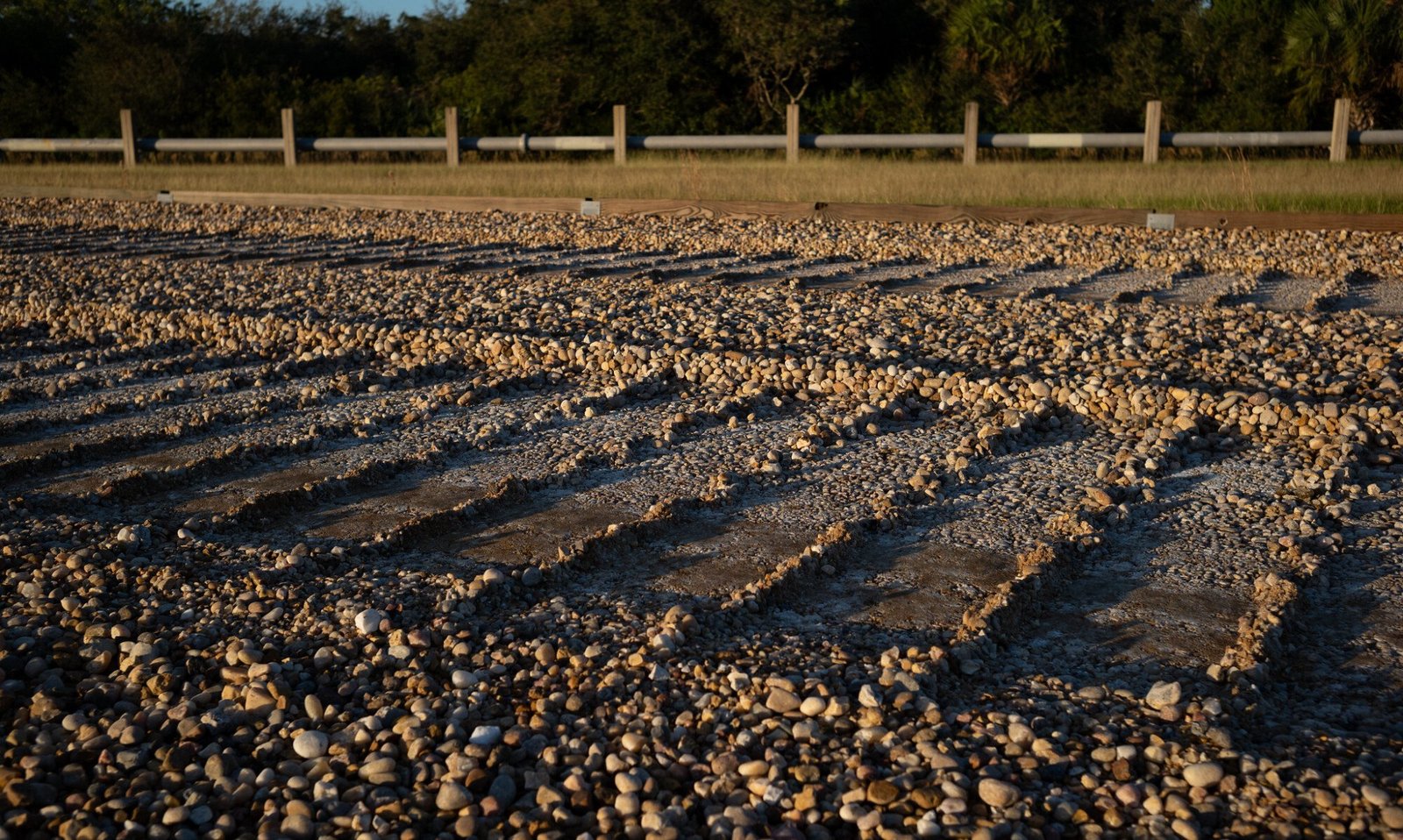
Credit: NASA / Joel Kowsky
4. SLS sacrifices reusability for reach
Keeping in mind that SLS relies on Space Shuttle hardware, it demanded major changes to reach the moon. After all, the shuttle was originally designed for short trips to the International Space Station, about 250 miles above Earth. By contrast, the moon is roughly 239,000 miles away.
To make that leap, engineers stripped out reusable features such as parachutes, reserve fuel, and landing sensors. The changes freed about 2,000 pounds of payload capacity, helping Orion reach roughly 24,500 mph, the speed needed for a moonbound trajectory. The cost of that performance is disposability: SLS uses new boosters and engines for every mission.
Its exhaust is relatively clean, though. The engines burn liquid hydrogen and oxygen, producing superheated water vapor. NASA also replaced asbestos insulation on the boosters with rubber-based materials.
5. SLS is often called the most expensive
Many at NASA and on Capitol Hill have called SLS "America’s rocket," treating it as a national asset akin to a custom-built aircraft carrier for the military. Cost control was never the top priority.
A 2010 spending law ordered NASA to build the rocket and spelled out its design, contractors, and business model. Passed during the Great Recession, it aimed in part to protect jobs. Today, about 3,800 suppliers across all 50 states support SLS and Orion.
SLS is often cited as the most expensive rocket ever built. In 2022, NASA’s inspector general estimated each Artemis launch would cost $4.1 billion, with about half tied to SLS alone.

Tech
Bad Bunnys halftime show sparked emotional reactions across the Americas. See the heartwarming videos now.

During Bad Bunny's Super Bowl Halftime Show, millions of viewers experienced the performance together — cheering in living rooms, filming on their phones, and reacting in real time. But for those of Latin American descent, hearing their home countries named out loud during Benito's grand finale made the moment especially meaningful.
In his closing act, Bad Bunny transformed the stage into a celebration of the Americas. Dancers carried flags from countries across North, Central, and South America, while a massive screen behind him flashed messages like "The only thing more powerful than hate is love." He capped the roll call of nations with a declaration that "together, we are America," framing the finale as a moment of shared identity and joy.
For those watching at home, the emotion didn't end when the music stopped. Viewers immediately took to social media to document their reactions, sharing clips of their friends and families cheering, hugging, and erupting with pride when their countries were named — turning a televised performance into a collective celebration.
Together, these clips formed a digital mosaic of diaspora, stitched from small, intimate moments across phone screens and time zones. Each video captured the same feeling: that for a few minutes, home — wherever it was — didn't feel so far away.
Tech
Best last-minute deals on Valentines Day flowers so far — you have way more options than plain roses

The Bouqs Co.

1-800-Flowers

Urban Stems

Unless your recipient has explicitly expressed their disdain for receiving flowers (we all know at least one hater), you really can't go wrong with surprising someone with fresh blooms for Valentine's Day. Not when there are so many opportunities to pick out a truly unique bouquet that fits his or her tastes: Most of the best flower delivery services are offering great last-minute Valentine's Day deals on flower deliveries, saving you 25% to 50% on a gift for the upcoming romantic weekend.
1-800-Flowers is your go-to spot for a classic bouquet of roses on a budget, while The Bouqs Co. and Urban Stems have elevated takes on traditional arrangements that aren't like anything you'd walk past in the grocery store. A majority of bouquets on sale can be delivered by Saturday, Feb. 14 (check the earliest possible delivery date for each). Either way, you're bound to find some pretty stems that scream "them" — so while the timing itself is rushed, the flowers they receive don't have to feel like an afterthought.

Opens in a new window

Opens in a new window

Opens in a new window

Opens in a new window

Opens in a new window

Opens in a new window
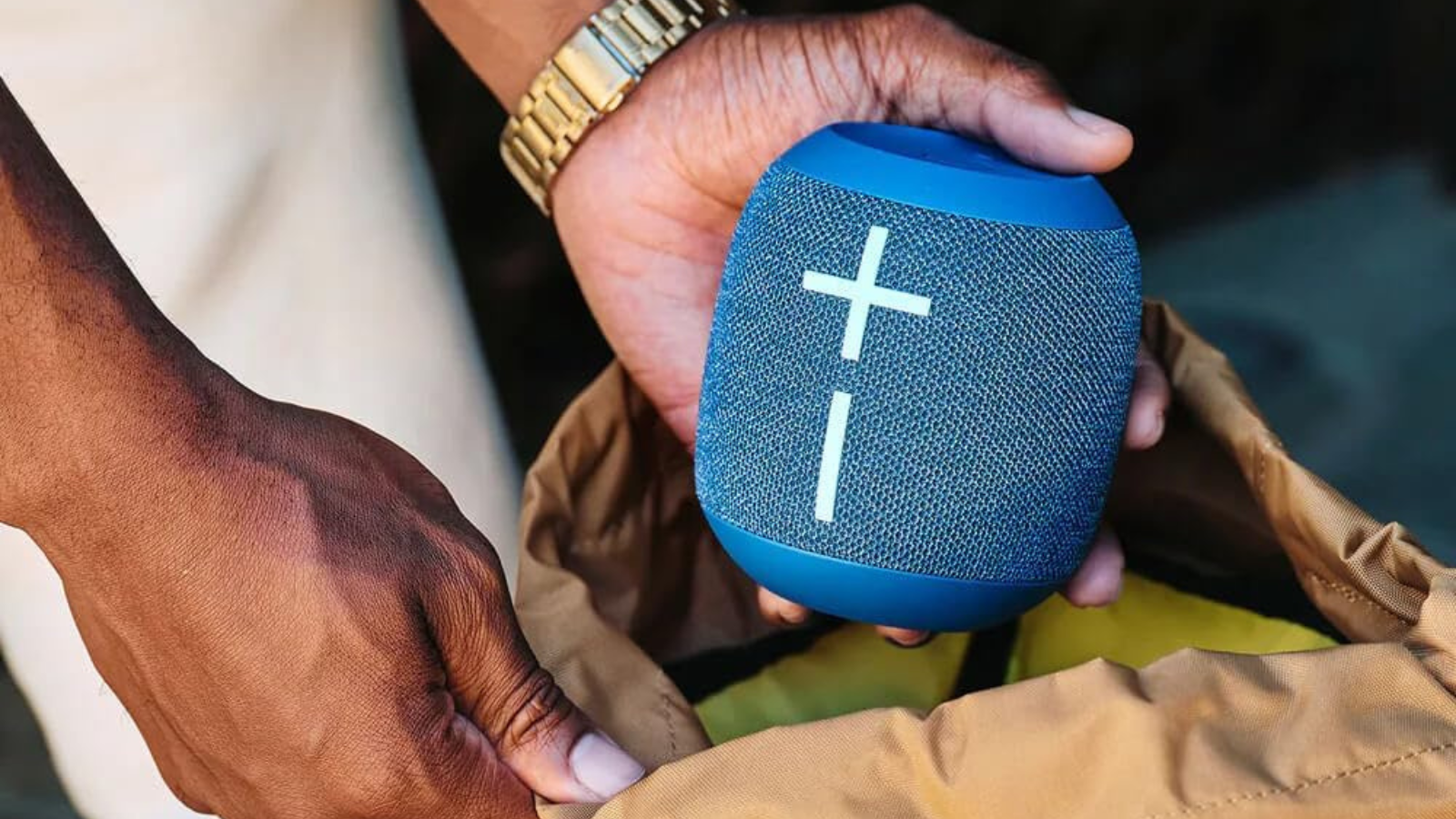
SAVE $30: As of Feb. 10, the Ultimate Ears Wonderboom 4 is on sale for just $69.99 at Amazon. That's 30% off its list price of $99.99.

Opens in a new window
Mashable's shopping team has spent quite a bit of time with Ultimate Ears Bluetooth speakers and we're big fans. We love the Hyperboom and Epicboom, but the itty bitty Wonderboom is one of our absolute favorites. If you're in the market for a portable Bluetooth speaker, we highly recommend this tiny powerhouse — especially when it's on sale.
As of Feb. 10, the Ultimate Ears Wonderboom 4 is down to just $69.99 at Amazon. That's 30% off its list price of $99.99 and just 10 bucks shy of its best-ever price from Black Friday.
Our favorite sub-$100 Bluetooth speaker, the Wonderboom 4 fits in the palm of your hand but offers surprisingly balanced and powerful sound. As Shopping Reporter Bethany Allard noted in our roundup, "the sound profile is well-rounded and can get loud."
It can last up to 14 hours on a full charge, handles drops from up to five feet like a champ, and can be submerged in water for up to half an hour. We do wish it offered a companion app to customize the sound profile, but for a ultra-portable no-frills speaker, it's an excellent value.


Bad Bunnys halftime show sparked emotional reactions across the Americas. See the heartwarming videos now.

NFL Player Keion White Shot Following Alleged Argument With Lil Baby at a Nightclub

‘Pamphlets About Sharia Law and Other Islamic Things’ in Texas High School
How I Paid Off My Mortgage 10 Years Early On A Teacher’s Salary

Black Lives Matter Activist in Boston Pleads Guilty to Federal Fraud Charges – Scammed Donors to Fund Her Lifestyle

Send Help review: GLOP! Youre not ready for Rachel McAdams latest… but I love it
-
Business5 months ago
How I Paid Off My Mortgage 10 Years Early On A Teacher’s Salary
-
 Politics5 months ago
Black Lives Matter Activist in Boston Pleads Guilty to Federal Fraud Charges – Scammed Donors to Fund Her Lifestyle
-
 Tech2 weeks ago
Send Help review: GLOP! Youre not ready for Rachel McAdams latest… but I love it
-

 Tech5 months ago
Get a lifetime subscription to the “ChatGPT for investors” for under $60
-

 Tech5 months ago
Review: The Dreame H15 Pro CarpetFlex is the first wet/dry vacuum I liked
-
Business5 months ago
25 Low-Effort Side Hustles You Can Start This Weekend
-
Business5 months ago
9 Ways to Command a Six-Figure Salary Without a Bachelor’s
-

 Entertainment4 months ago
Fat Joe Recalls Bruno Mars Snapping on Him Over Question About Puerto Rican Roots: ‘Broke My Heart’